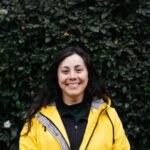
Los clusters Entorno Construido y Acceso y Movilidad, a través de su investigador Ricardo Hurtubia, convocan a los seminarios “Representing pedestrian activity in travel demand models: Framework and application” y “Representing the build environment in stated preference surveys / a validation exercise”. Ambos serán dictados por la académica de Ingeniería Civil y Ambiental de Portland State University y doctora en Comunidad y Ordenanza del Territorio, Kelly Clifton.
Las actividades se desarrollarán en el contexto del proyecto FONDECYT (11130637) del profesor Hurtubia. La primera será en Ingeniería y la segunda en Arquitectura. Ambos seminarios serán en inglés.
Representing pedestrian activity in travel demand models: Framework and application
Lunes 9 de noviembre
13 a 14 horas
Sala A6 – Escuela de Ingeniería UC
Campus San Joaquín
There have long been calls for better pedestrian planning tools within travel demand models, as they have been slow to incorporate the large body of research connecting the built environment and walking behaviors. Most regional travel demand forecasting performed in practice in the US uses four-step travel demand models, despite advances in the development and implementation of activity-based travel demand models. This paper introduces a framework that facilitates the abilities of four-step regional travel models to better represent walking activity, allowing metropolitan planning organizations (MPOs) to implement these advances with minimal changes to existing modeling systems.
Specifically, the framework first changes the spatial unit from transportation analysis zones (TAZs) to a finer-grained geography better suited to modeling pedestrian trips. The MPO’s existing trip generation models are applied at this spatial unit for all trips. Then, a walk mode choice model is used to identify the subset of all trips made by walking. Trips by other modes are aggregated to the TAZ level and proceed through the remaining steps in the MPO’s four-step model. The walk trips are distributed to destinations using a choice modeling approach, thus identifying pedestrian trip origins and destinations.
In this presentation, we give an overview of this framework and provide a proof-of-concept application to demonstrate its successful operation using data from the Portland, Oregon, region. Opportunities for future work include more research on the potential routes between origins and destinations for walk trips, application of the framework in another region, and developing ways the research could be implemented in activity-based modeling systems.
Representing the built environment in stated preference surveys: A validation exercise
Jueves 12 de noviembre
14 a 15.30 horas
Salón Sergio Larraín – Escuela de Arquitectura UC
Campus Lo Contador
Planners and others are often interested in gaging respondent preference for different residential environments. Attributes of the built environment, such as residential density, walkability and mixed-use developments, can be difficult concepts to convey in surveys, particularly when described using text alone and when respondents have limited experiences in different environments. Surveys may benefit from the use of images to communicate various aspects of the built environment to respondents and ground them in a common understanding. But among transportation researchers, there has been little work to test and validate the use of visuals against objective measurements of the attributes of interest.
In this presentation, we describe an original online survey in Portland, Oregon, USA that is used to investigate how reliably respondents are able to evaluate the objective differences in 13 different built environment characteristics between neighborhoods based upon their exposure to a suite of images. Initially, five neighborhood typologies were defined using three objective measures of the built environment collected from nationally-available data for the 25 most populous metropolitan areas. For each of these five neighborhood types, a suite of images were collected from Google Street View that were intended to communicate the housing, transportation and accessibility characteristics therein.
The presentation will discuss the findings of this survey, the difficulties in choosing images, and the potential introduction of bias.
Bio
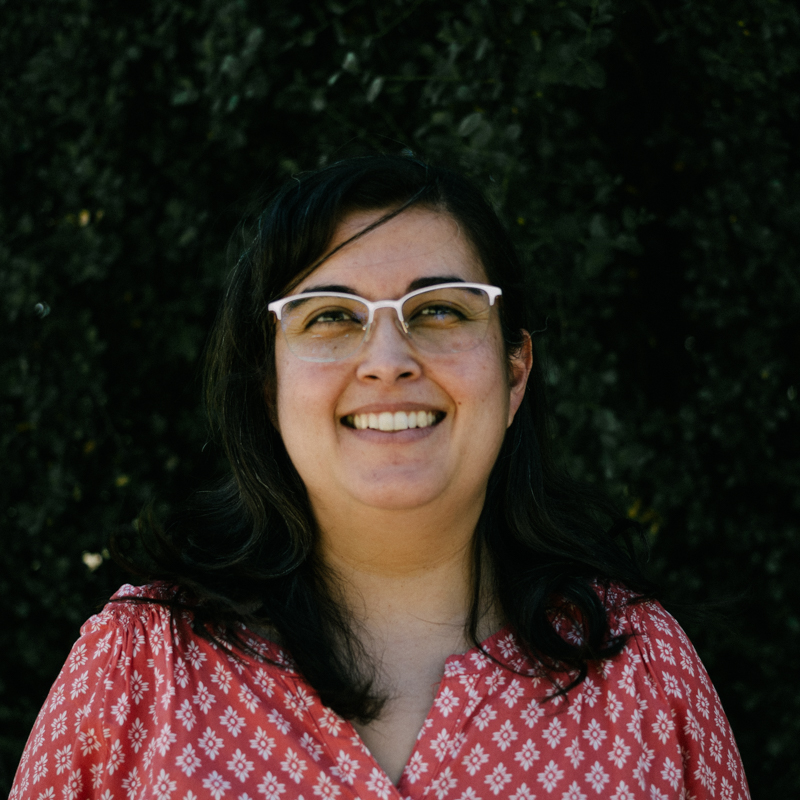
Kelly J. Clifton is a Professor of Civil and Environmental Engineering at Portland State University. Dr. Clifton conducts research and teaches courses in various aspects of transportation planning and policy, including: travel behavior, land use and transportation, physical activity and health, and travel survey methods. She is the Director of the Oregon Modeling Collaborative, a consortium of public and private agencies working to research, develop and apply integrated transportation modeling approaches. She is also a fellow in the Institute for Sustainable Solutions and is the past chair of the World Society for Transport and Land Use Research. Dr. Clifton has a PhD in Community and Regional Planning from the University of Texas at Austin, MS in Planning from the University of Arizona, and BS in Mechanical Engineering from West Virginia University.
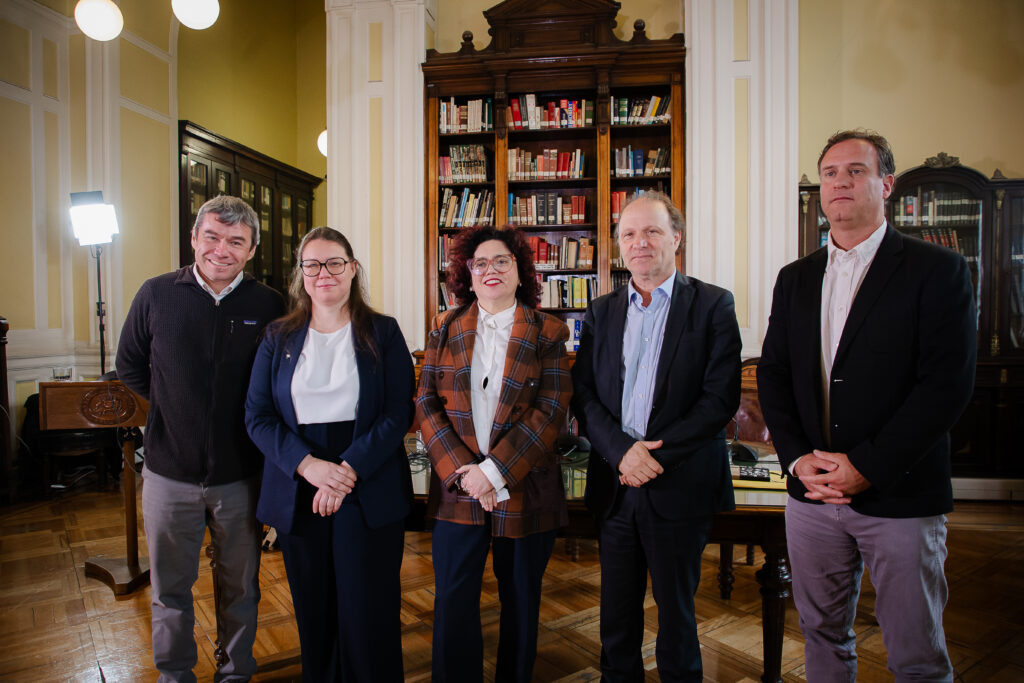
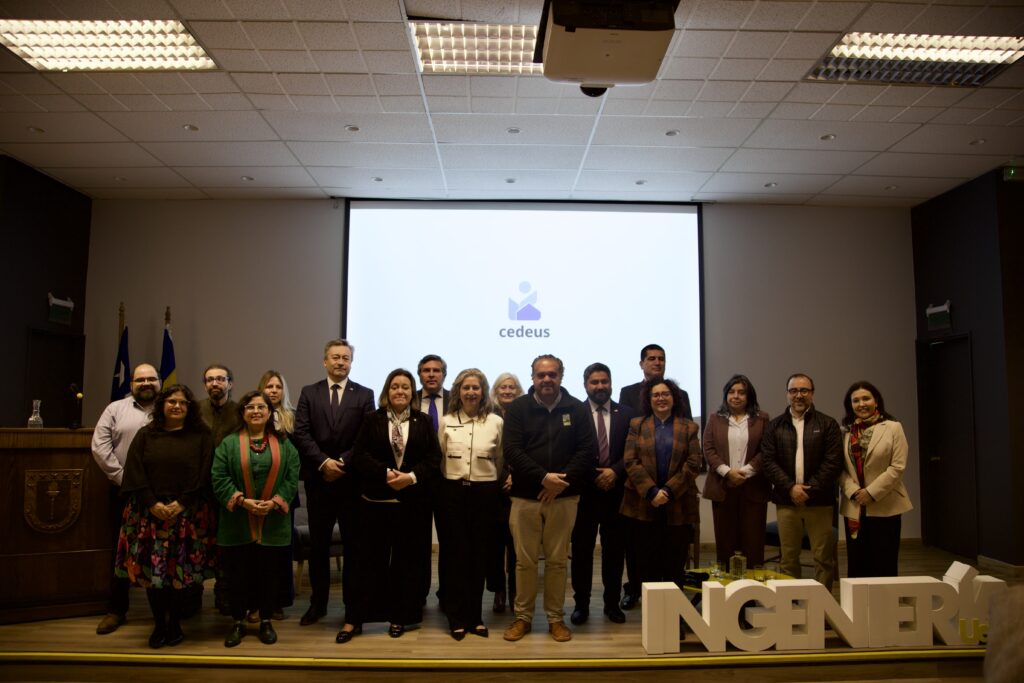
En el contexto de un proyecto Fondecyt del investigador CEDEUS Ricardo Hurtubia, la académica de la Portland State University estará en seminarios en Lo Contador y San Joaquín.

 Leonardo Romero